Is a River Alive?
Is a River Alive? is a joyful, mind-expanding exploration of an ancient, urgent idea: that rivers are living beings who should be recognized as such in imagination and law.
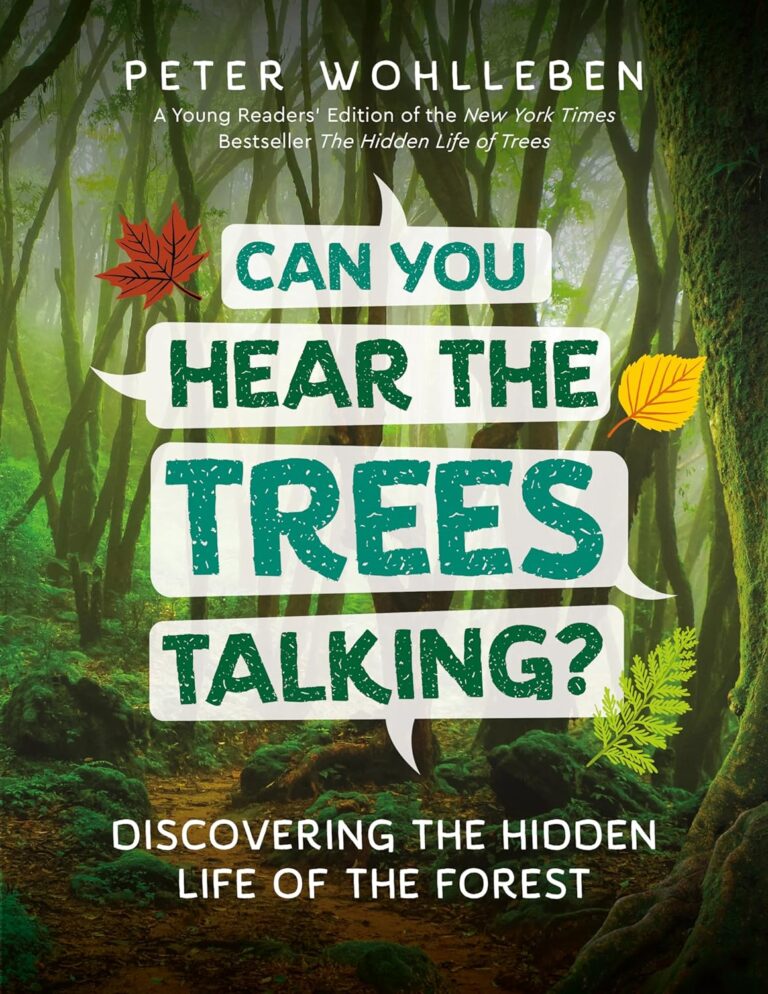
(Ages 14-20)Â Discover the secret life of trees with this nature and science book for kids: Can You Hear the Trees Talking? shares the mysteries and magic of the forest with young readers, revealing what trees feel, how they communicate, and the ways trees take care of their families.
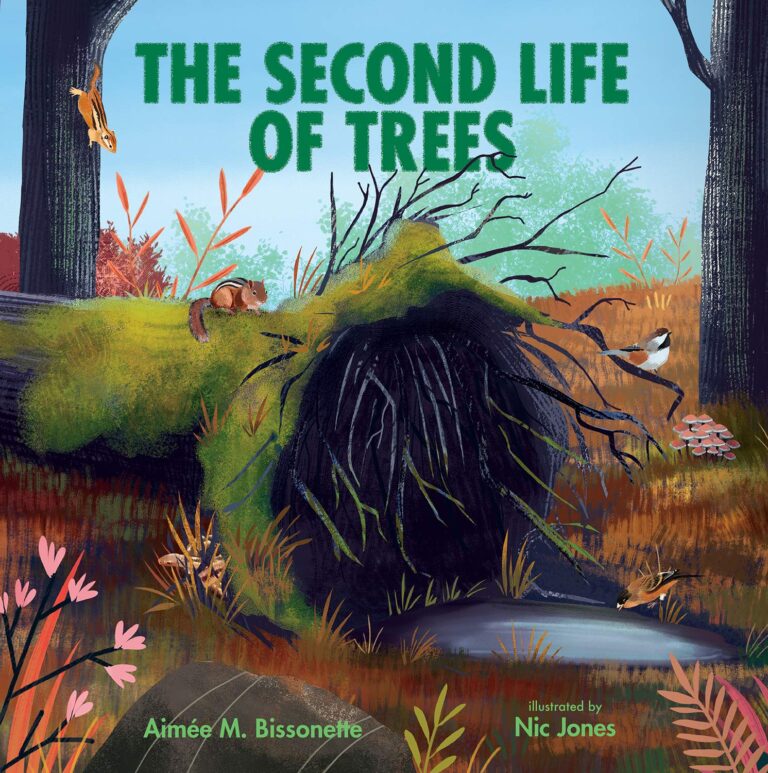
(ages 8-12) Trees can live a very long time, but what happens when they die? This unusual book describes, in lyrical prose accompanied by colorful and graphic illustrations, that trees have a whole long second life, continuing to contribute to their habitat, the environment, and the cycle of life.
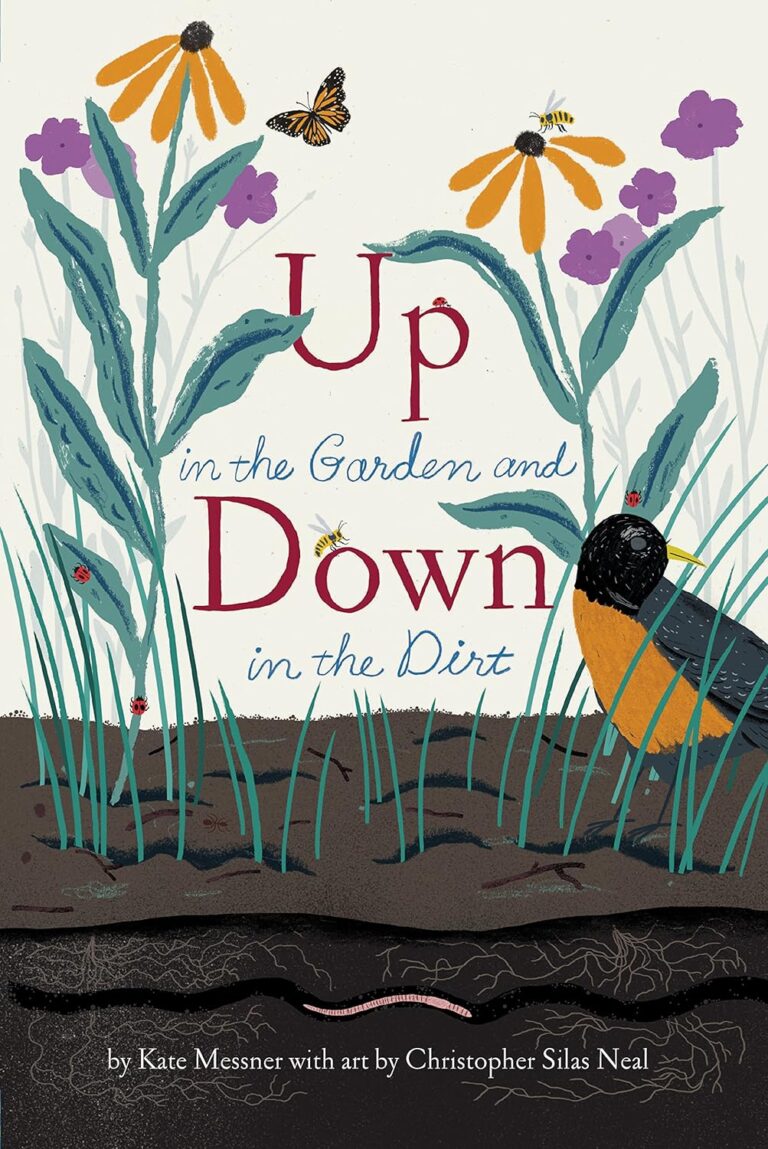
(Ages 4-8) Explore the hidden world and many lives of a garden through the course of a year! Up in the garden, the world is full of green—leaves and sprouts, growing vegetables, ripening fruit. But down in the dirt exists a busy world—populated by all the animals that make a garden their home.
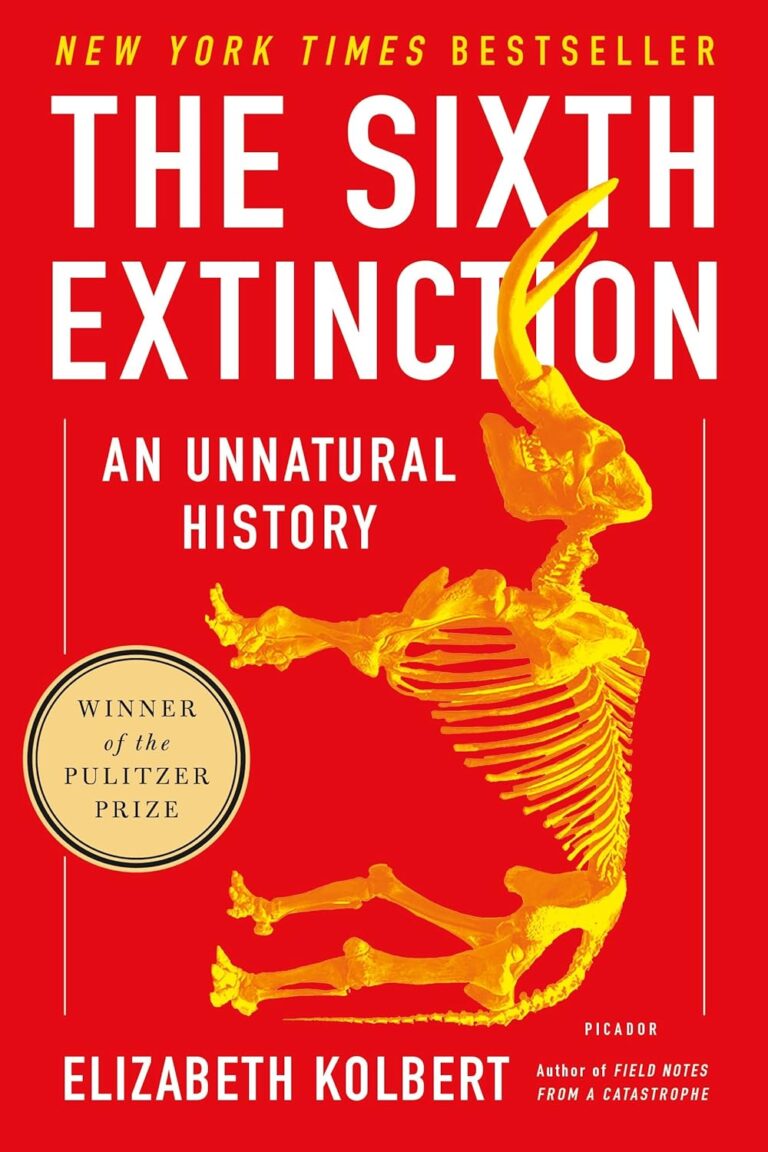
New Yorker writer Elizabeth Kolbert tells us why and how human beings have altered life on the planet in a way no species has before. Interweaving research in half a dozen disciplines, descriptions of the fascinating species that have already been lost, and the history of extinction as a concept.
In this, the first book about climate change, McKibben argues that “Nature,” to which we have always been subordinate, has now become subordinate to us, and that we are not exercising this power wisely. The book paved the way for the term, “Anthropocene”.
The Death and Life of the Great Lakes is prize-winning reporter Dan Egan’s compulsively readable portrait of an ecological catastrophe happening right before our eyes, blending the epic story of the lakes with an examination of the perils they face and the ways we can restore and preserve them for generations to come.
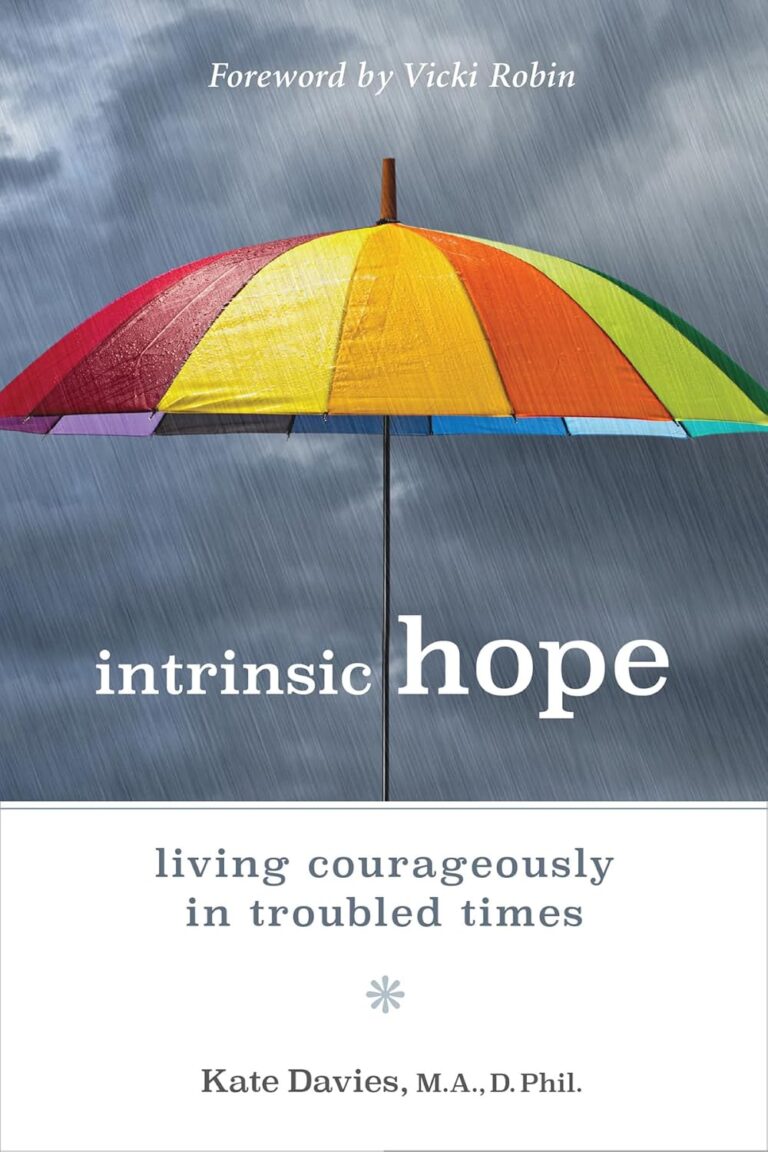
Maintaining hope is difficult in a world falling apart. Intrinsic Hope offers a powerful antidote to despair, showing how to free ourselves from the false hope that the world will conform to our expectations and how to cultivate “intrinsic hope,” a positive approach based on trusting life. Presents 6 mindful habits for hopeful living.
Written early in the 21st century, the message for parents and grandparents is even more urgent today. Linking the absence of meaningful connection with nature in today’ children to physical and emotional health disorders, the author offers practical solutions. Calling for a “nature-child reunion,” his hopeful prescription points to a healthier, greener tomorrow.
A Photographic Field Guide and Month-By-Month Journey Through the Fields, Woods, and Marshes of New England

© 2025 | SSAFE.org | info@ssafe.org
Licensed under CC BY-SA 4.0 | Site by John Hawkins